Fullerton highlight
Civic heritage
Hillcrest Park features a historic fountain built by the WPA, reflecting Fullerton's cultural commitment to public spaces and community gathering.
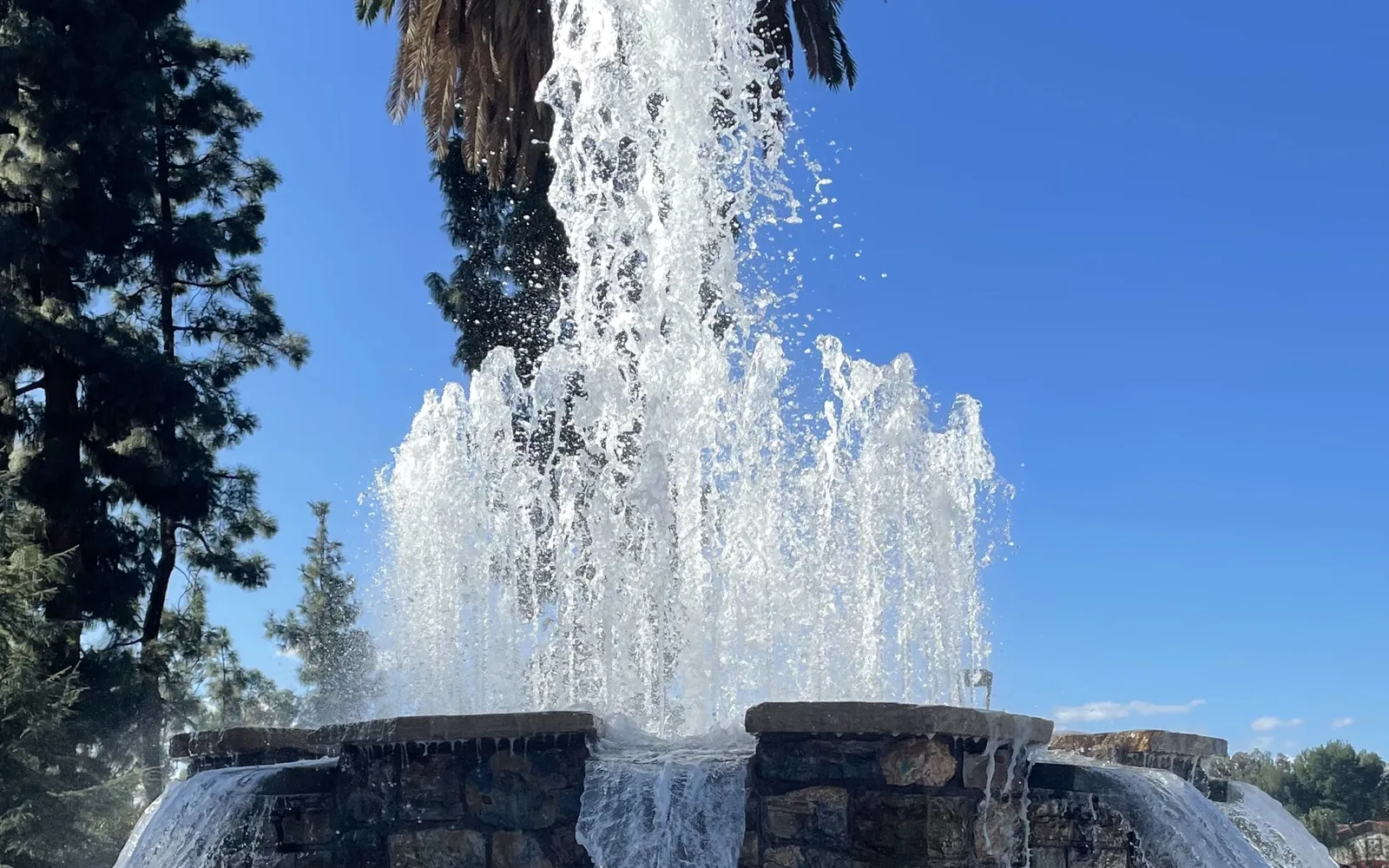
Hillcrest Park in Fullerton contains a fountain constructed through the Works Progress Administration (WPA), a federal program that funded public improvements during the Great Depression. The WPA operated from 1935 to 1943 and left a lasting mark on American public spaces through infrastructure, parks, and community buildings. Fullerton's Hillcrest Park fountain exemplifies this legacy, remaining a local landmark that draws residents and visitors.
Public parks like Hillcrest reflect how communities invest in shared spaces—gathering places that strengthen neighborhoods and provide informal education about local history and civic values. The fountain, maintained as part of Fullerton's park system, demonstrates the ongoing commitment to stewardship of public resources. Parks become part of family life and tradition, especially for households with children.
Families who prioritize being part of established communities often plan for the long term: children growing up in parks they know, schools they trust, neighborhoods where they belong. That sense of continuity and stability is what term life insurance protects—the fixed commitment to the people and places that matter most.
